
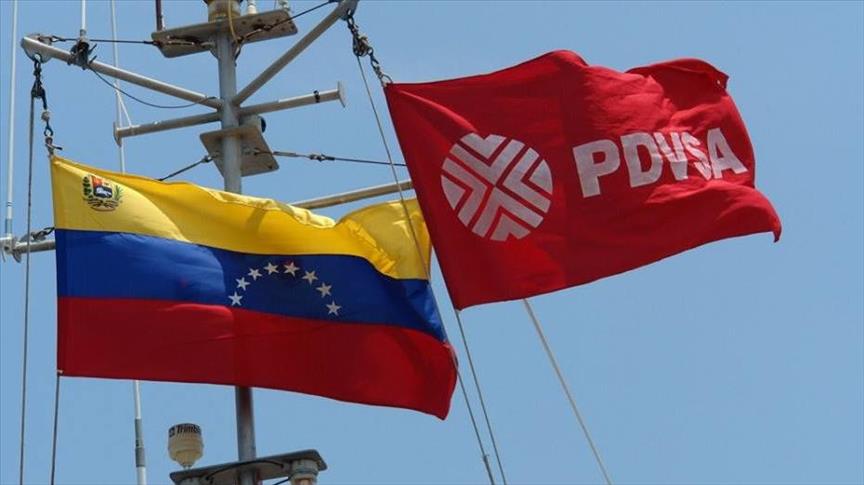
The U.S. Court of Appeals for the Second Circuit in Manhattan, New York, ratified this Tuesday, October 27, the full validity of the bonds issued by Petróleos de Venezuela S.A. (PDVSA) that matured in 2020, which are currently in default.
The U.S. court emphasized in its ruling that prior approval from Venezuela’s National Assembly (AN) was not required to avail these financial instruments, rejecting the argument that the Venezuelan Constitution invalidated the public offering of the bonds. With this decision, the court affirms the previous judgment issued by the U.S. District Court for the Southern District of New York.
It should be noted that the PDVSA 2020 bonds are backed by a collateral consisting of 50.1% of the shares of Citgo Petroleum, a refining subsidiary owned by the Venezuelan state. Following the default on these debt securities, bondholders have pursued legal action to recover their investment, according to reports from the Reuters news agency.
“The pressure on Citgo is greater”:
Following the announcement of the judicial decision, the attorney specializing in public law, José Ignacio Hernández, commented on the implications of the ruling via his social media channels:
“The Court of Appeals denied the appeal in the case of the PDVSA 2020 bonds, ratifying their validity. In practice, this litigation has served to suspend the enforcement of the collateral on Citgo since 2019. Now, the pressure on Citgo is greater,” warned the legal expert warned.
Scenario of temporary protection:
The court ruling comes weeks after an action by the U.S. Department of the Treasury’s Office of Foreign Assets Control (OFAC), which announced last August that it would authorize transactions linked to the PDVSA 2020 bonds, effective September 17, 2026.
This measure by the U.S. agency provided an extension to the protection of Citgo’s assets, safeguarding them for an additional month and a half against the claims of international creditors. Nevertheless, following the ratification by the New York court, the legal net around Venezuela’s primary foreign-based oil subsidiary continues to tighten.