
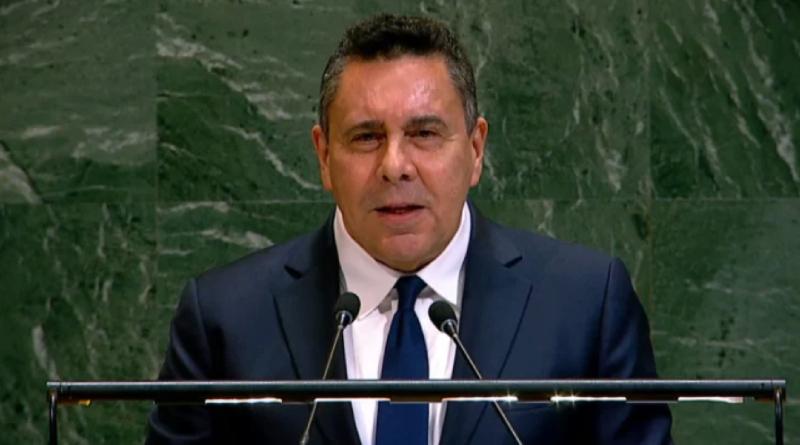
Venezuela’s Permanent Representative to the United Nations, Samuel Moncada, urged UN Secretary-General António Guterres to appoint a special advisor to assess the impact of unilateral coercive measures. This call was made during the commemoration of the first International Day against Unilateral Coercive Measures.
«On this first International Day, we call on the Secretary-General to appoint a special advisor on unilateral coercive measures,» declared Moncada. The Venezuelan diplomat explained that this figure would serve to assess the impact of these sanctions and ensure coherent responses throughout the United Nations system.
The Venezuelan representative described the sanctions as «a campaign of maximum calculated cruelty» that directly attacks the right to development of peoples. «Unilateral coercive measures are weapons of economic warfare that can be as lethal as conventional weapons,» warned Moncada during his address to the UN.
Moncada emphasized that no political or ideological justification can legitimize these coercive actions, which paralyze the productive potential of the affected nations. He pointed out that they block access to financing, technology, medicine, and food, creating insurmountable obstacles to economic and social development.
«By blocking access to financing, food, and technology, the productive potential of the affected countries is paralyzed, investment is stifled, and they represent the greatest impediment to development» as detailed the Venezuelan diplomat. This situation, according to his analysis, particularly affects the most vulnerable sectors of the population.
Finally, Moncada questioned the effectiveness of the so-called «humanitarian exemptions,» calling them «cruel illusions» that are ineffective and fictitious. He recalled that United Nations experts have confirmed the futility of these mechanisms given the widespread nature of unilateral coercive measures.
This request from Venezuela is framed within the international efforts to document and counteract the effects of unilateral sanctions, which an increasing number of countries are denouncing as obstacles to the achievement of the Sustainable Development Goals and the international humanitarian law.