
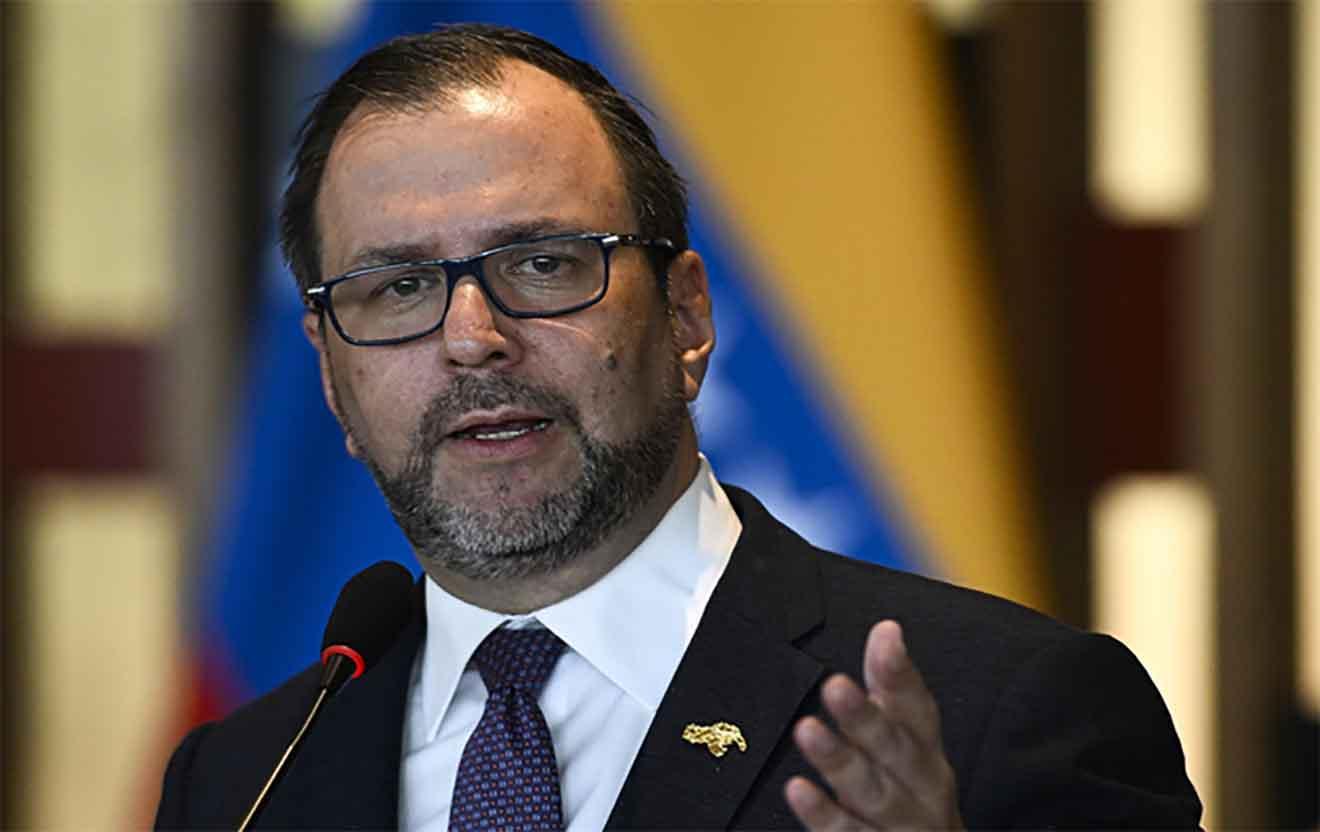
The Minister for Foreign Affairs, Yván Gil, denounced on Thursday the 1,042 unilateral coercive measures imposed on Venezuela by the United States and Europe, during the commemoration of the International Day against these sanctions, established by the UN.
From his account on Telegram and in international forums, the Venezuelan Chancellor lodged a formal protest on behalf of the government of President Nicolás Maduro: “Enough of unilateral coercive measures!” wrote the diplomat, describing the sanctions as criminal tools whose objective is to “break the will of a sovereign nation.”
The Venezuelan diplomat pointed out that the impact of these measures transcends Venezuelan borders, disrupting regional cooperation programs such as PetroCaribe. Within the framework of the UN, where a Venezuelan delegation participated in a special plenary session, he also demanded the elimination of what he called “tools of domination” and denounced the military threat against the country.
The commemoration of this day, established in June 2024 at the proposal of the Group of Friends of the UN Charter, was used by Venezuelan diplomacy to amplify its demands: “This day calls on us to raise our voices against this crime,” he affirmed, demanding the immediate cessation of the sanctions that, in his opinion, seek to provoke the economic collapse of sovereign nations.
In a particular manner, Chancellor Gil demanded an end to the blockade against Cuba and extended the criticism to the sanctions against Venezuela, whose profound impact on the population has been corroborated, he said, by United Nations experts.
Despite the international pressure, he affirmed that, under the leadership of President Nicolás Maduro, Venezuela has demonstrated “remarkable strength in rebuilding its economy and guaranteeing social protection.” The intervention concluded with a call for the united defense of the sovereignty and rights of the Venezuelan people.
The Chancellor’s statement on this first official International Day against Unilateral Sanctions serves to reintroduce the Venezuelan denounce onto the multilateral agenda, thus presenting economic resistance as an act of sovereignty and classifying the sanctions as a violation of international law.