
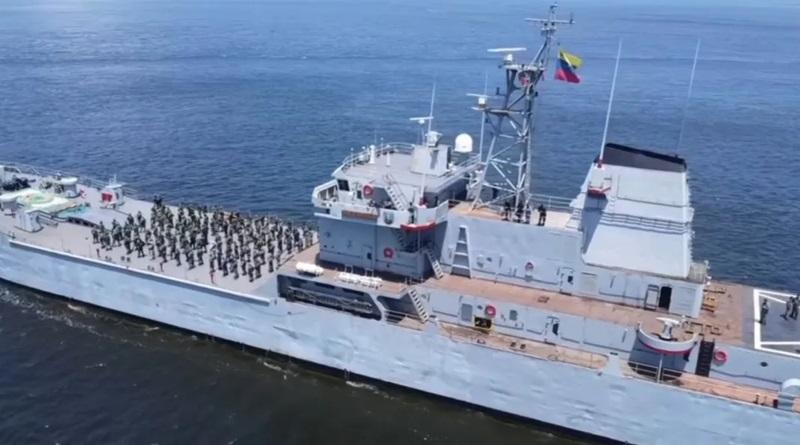
The commander of the Eastern Strategic Integral Defense Region (REDI), Major General Juan Sulbarán Quintero, reported that 14 drug trafficking logistics bases were dismantled in Sucre state as a result of actions carried out by Operation Cumanagoto 200. The information was provided during a meeting with the Minister of People’s Power for Defense, Vladimir Padrino López, who oversees security operations in the region.
The operations were carried out through coordinated cooperation with the Domingo Sifontes Task Force and the deployment of 60 mixed rapid reaction units (URRA) distributed across the 15 municipalities of the eastern state. The operational strategy divided the territory into four specific quadrants to optimize coverage and the effectiveness of the actions deployed.
The joint actions implemented included amphibious insertion, reconnaissance and exploration on land, air, and sea, as well as escort patrols in strategic areas. In addition, in-depth search operations were carried out in identified areas, approach routes were blocked, checkpoints were established, and saturation actions were taken in areas with a high incidence of crime.
As a complementary result of these operations, 12 vessels allegedly linked to illicit activities were detained, 9,000 liters of fuel intended to supply criminal groups were seized, and 12 firearms were confiscated. These elements demonstrate the operational capacity of the nation’s security forces.
Operation Cumanagoto 200 represents an integral action to maintain internal order, and constitutes a forceful response by the Venezuelan State to organized crime. This initiative demonstrates the national government’s determination to decisively confront the organized criminal groups and armed groups that generate violence in the region.
The success of this operation reflects the effectiveness of Venezuela’s integral security doctrine, which combines strategic intelligence, tactical deployment, and inter-institutional coordination. The results obtained strengthen the State’s presence in vulnerable areas and contribute to the protection of the civilian population from the threats of drug trafficking.